


Central Hospital Stories
4.52.07K Reviews
App Specs
- Version
- 1.9.5
- Updated On
- License
- Free
- Downloads
- 50,000,000+
- Developer
- SUBARA
- Categories
- Educational
- Platform
- Android, iOS
Screenshots
 Analysis by AppCompare
When I want a game that lets me make up the story instead of following a long sequence of objectives, a hospital setting can be a fun place to start. Central Hospital Stories takes a playful approach: I can move through hospital rooms, handle objects, and give the characters little roles in whatever scene I feel like creating. It suits short bursts of imaginative play better than a serious medical simulation, and that distinction is useful to know before downloading.
I’d put it in the educational game corner, but its learning comes through pretending and exploring rather than lessons or quizzes. That makes it an easy fit for a child who is curious about hospitals, or for an adult looking for a relaxed, low-pressure game to play together with a younger family member. If you want realistic treatment procedures, challenging management decisions, or a competitive goal to chase, this probably isn’t the right kind of hospital game.
A gentle first visit to the hospital
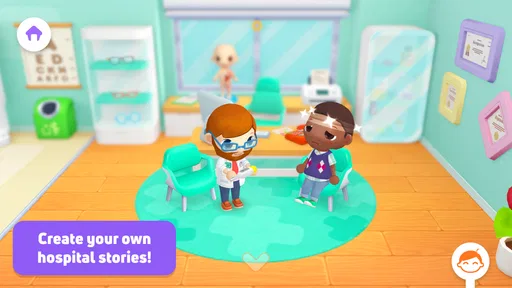
My first impression is shaped by the bright, cartoon-like art. The hospital feels welcoming rather than clinical, and the rooms are presented as places to explore, not as a string of emergencies to solve. That changes the mood: I’m encouraged to look around and invent a situation instead of worrying about getting a diagnosis or treatment wrong.
The game is made by SUBARA and is rated for Everyone. It is free to download, with in-app purchases listed at $3.49–$4.49 per item. Its average rating is 4.5 from around 154,000 ratings, and it has over 50 million installs. Those figures suggest that many players have tried it, but I’d still judge it by whether its open-ended style matches what you want. The current version is 1.9.3, and it requires Android 7.0 or later.
How the hospital invites you to play
When you open Central Hospital Stories, you’re immediately greeted with vibrant graphics and a bustling hospital environment. The developers have put a lot of love into crafting a colorful and interactive world. You can practically hear the hustle and bustle of a busy hospital, and it’s all very inviting.
The game is designed for all ages, and it really shows in its playful aesthetic. It’s like stepping into a cartoon—you’re the director of your very own hospital drama. Who doesn’t love a little bit of medical mayhem?
What the rooms and objects make possible
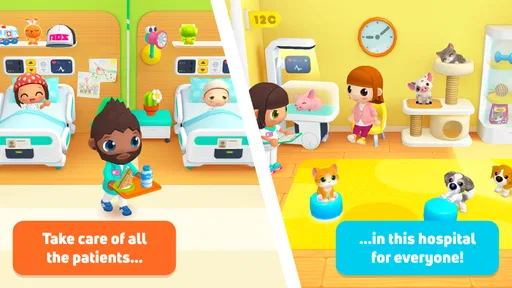
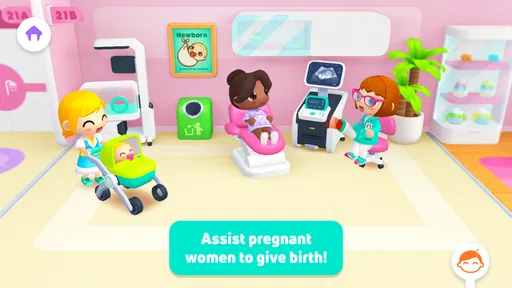
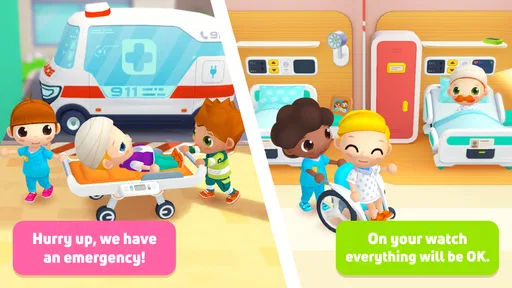
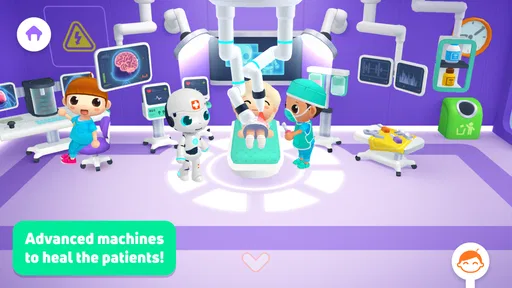
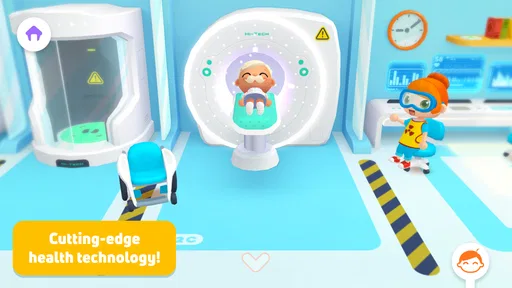
So, what’s the gameplay like? Basically, you’re in charge of managing the hospital, and there’s plenty to keep you busy. You can explore different areas like the emergency room, maternity ward, and even a cozy waiting area. Each room is packed with interactive elements. You can move objects, interact with characters, and even play around with medical equipment.
Worth Reading Before You Choose

Flipboard Shows What News Apps Must Do Beyond the Feed

Switching to Android Auto Means Rethinking Your Driving Routine

Google Calendar Makes a Crowded Week Easier to Manage

Ludo King Makes the Most of the Minutes Between Plans

Baby Panda World Brings Quick Play to Modern Phones, but Its Game Library Feels Busy

ESPN’s Live Game View Makes Following Close Games Easier
The controls are intuitive, which is a big plus. You won’t find yourself fumbling around trying to figure out how to pick up a stethoscope or administer a band-aid. It’s all pretty straightforward, making it perfect for both kids and adults alike.
For a child, that simple interaction can make the game easier to share: I can suggest a setting—perhaps the waiting area—and let them decide what happens there. A useful way to keep play moving is to start with a small prompt, such as “Who has just arrived?” and then let the child move the characters and objects to build the scene. It gives the game a little structure without turning it into a task list.
That open-ended approach is also its main trade-off. Players who enjoy levels, clear objectives, or a visible sense of progress may find that making up the fun takes more effort than they want. I’d treat each visit as a chance to create a short scene, not as a campaign I need to complete. If the player is getting restless, changing rooms or handing over the storytelling to someone else can work better than trying to force a longer session.
Characters as the cast of your own story
One of the highlights is the plethora of characters you can choose from. Doctors, nurses, patients—the gang’s all here! What’s more, you can customize the characters to your liking. Want a nurse with a funky hairstyle or a doctor with a quirky outfit? Go for it! It adds a nice personal touch to the game.
You can also create scenarios and stories with these characters. It’s a bit like playing house, but in a hospital setting. You’re the puppet master, orchestrating all sorts of medical adventures. It’s an open-ended play experience, so you can get as creative as you like.
I find the characters most useful when I give them different points of view rather than simply moving everyone around at once. One can be the person asking for help, another can explain what they need, and a third can decide where to go next. That small role-play routine gives a child a reason to use the hospital spaces and equipment, while leaving the story in their hands. It can also make the game a shared activity: one person invents the problem, and another chooses how the characters respond.
There is a limit to what this kind of play offers. Customizing a character can help a child feel attached to the cast, but it is not the same as building a detailed character biography or following a branching plot. I’d recommend it to families who enjoy improvising together; a player who wants the game to supply a deep story may be better served by a narrative adventure with written scenes and choices.
Learning through pretend play
While it’s primarily a game, there’s a subtle educational side to it. Kids can learn about the different roles in a hospital and the basic flow of medical care. It’s a playful introduction to the world of healthcare that doesn’t feel like a classroom lecture.
Parents will appreciate that it’s a safe environment for kids to explore and learn. No over-the-top medical jargon or scary situations—just good, clean fun with a side of learning.
I’d keep those learning expectations modest and practical. This is best used as a conversation starter about who might work in a hospital and why different rooms have different purposes, not as a source of medical advice. If a child asks a real health question while playing, I’d answer it outside the game rather than treating a pretend scenario as instruction. That boundary lets the game stay light while still giving adults a natural opening to talk about care and helping others.
For an everyday use case, I can imagine a rainy afternoon when a child wants screen time but is not in the mood for a puzzle or a fast-paced game. We could choose a room, make up a patient and decide which characters are involved, then stop when the scene reaches a natural ending. The game’s appeal in that moment is not a reward system; it is having a shared prompt that gets imaginative play started. If nobody wants to narrate, though, the open-ended format may feel aimless.
Sound, color, and the pace of play
The graphics are top-notch for a mobile game. Everything is bright, colorful, and detailed enough to keep you engaged. The animations are smooth, and the characters have a lot of personality, which is always nice to see.
As for the sound, the background music is cheerful and upbeat, perfectly matching the lively atmosphere of the game. The sound effects are spot-on, too. Hear that? It’s the sound of a heart monitor beeping away!
Those choices reinforce the same gentle mood rather than pushing the hospital setting toward drama or realism. That is a good fit for pretend play with younger children, where a tense emergency atmosphere could distract from the fun. The trade-off is that players looking for a serious medical atmosphere or a more forceful soundtrack may find the presentation too sweet. I’d choose this over a realistic hospital simulation when the goal is relaxed storytelling, but not when I want to test planning or learn detailed medical procedures.
Compared with many educational games built around quizzes, matching, or short lessons, this one gives more room to invent dialogue and arrange a scene. That freedom is its strongest difference, but it also means the player has to supply much of the momentum. Compared with a dedicated dollhouse or role-play game, the hospital rooms give the imagination a specific setting and familiar roles; they do not, by themselves, guarantee a structured story. It is a better choice when a child enjoys making things up than when they need clear instructions at every step.
One practical tip is to decide what you want from a session before starting: free play, a shared story, or a simple chat about hospital jobs. Keeping that goal small helps avoid expecting the game to function as a lesson, a management challenge, and a full narrative all at once. Parents who want to understand the purchase model can also keep in mind that optional in-app purchases are part of the experience; I’d check the purchase prompts with a child before handing over a device, especially if they can make purchases on it.
Who will enjoy this kind of hospital game?
If you’re looking for a light-hearted, interactive game that offers both entertainment and a bit of education, then absolutely yes. It’s perfect for kids and anyone who enjoys open-ended play.
It’s a particularly good match for children who like role-playing, arranging characters, and turning ordinary places into little stories. It can also work for a parent, caregiver, or older sibling who wants to join in without needing to learn complicated controls. I would skip it for someone who prefers timed challenges, strategy, realistic medical details, or a plot that moves forward without their input. The question I’d ask before installing is simple: does the player enjoy inventing what happens next?
A warm mood, with open-ended limits
While it may not be the most complex game out there, it does what it sets out to do quite well. It’s a delightful escape into a world where you can be the hero of your own medical drama—and who wouldn’t want that?
So, go ahead and give it a whirl. You might just find yourself hooked on the cute characters and engaging scenarios. After all, when was the last time you played a game that made going to the hospital this much fun?
My final recommendation is to think of it as a playful setting rather than a complete hospital simulator. The rooms, characters, and cheerful presentation give children ingredients for their own stories, while the lack of a strong objective can be a drawback for players who want steady, guided progress. For families who enjoy taking turns making up scenes, that freedom is the point; for anyone who wants a more structured game, another option will likely be a better fit.
Pros
- Engaging storyline with diverse characters.
- Interactive gameplay fosters creativity.
- Kid-friendly and educational content.
- Colorful graphics and intuitive controls.
- No in-app purchases or ads.
Cons
- Limited replay value after completion.
- Some sections lack detailed instructions.
- Requires internet for updates.
- May seem too simple for older kids.
- Occasional minor bugs in gameplay.
FAQs for Central Hospital Stories
What is Central Hospital Stories about?
Central Hospital Stories is an interactive simulation game where players can explore a vibrant hospital setting. It allows users to create their own stories by interacting with various characters, managing a medical facility, and experiencing different healthcare scenarios. The game offers a fun and educational experience for players of all ages.
Is Central Hospital Stories suitable for children?
Yes, Central Hospital Stories is designed to be family-friendly and is suitable for children. The game provides a safe and educational environment where kids can learn about hospital operations and healthcare, fostering creativity and problem-solving skills. Parental guidance is still recommended for younger children to ensure a wholesome experience.
Does Central Hospital Stories require an internet connection to play?
Central Hospital Stories can be played offline, allowing users to enjoy the game without an active internet connection. However, certain features, such as in-app purchases or updates, may require online access. This flexibility makes it convenient for users to play anytime, anywhere.
Are there in-app purchases in Central Hospital Stories?
Yes, Central Hospital Stories offers in-app purchases. While the game is free to download, users can buy additional content or features to enhance their gameplay experience. These purchases are optional, and players can enjoy the core game without spending money, but they add extra fun and customization options.
What platforms is Central Hospital Stories available on?
Central Hospital Stories is available on both Android and iOS platforms. Users can download the game from the Google Play Store for Android devices and the Apple App Store for iOS devices. The game is optimized for various screen sizes, ensuring a smooth and engaging experience across different devices.


